On this page
- How good is Bunaken for non-divers?
- What can you do on land?
- What about snorkeling and boat trips?
- How do dolphin trips from Bunaken Island work?
- Where should a mixed couple stay?
- What about trips beyond the island?
- Is Bunaken good for families and children?
- What else do non-divers ask about Bunaken?
- Which prices are published?
- Which sources support this page?
- How do I reach the desk?
By Bunaken Island Editorial Desk
Sourced figures: prices in the table carry their source and date. Fees and fares change, and they are third-party figures, not our offers.
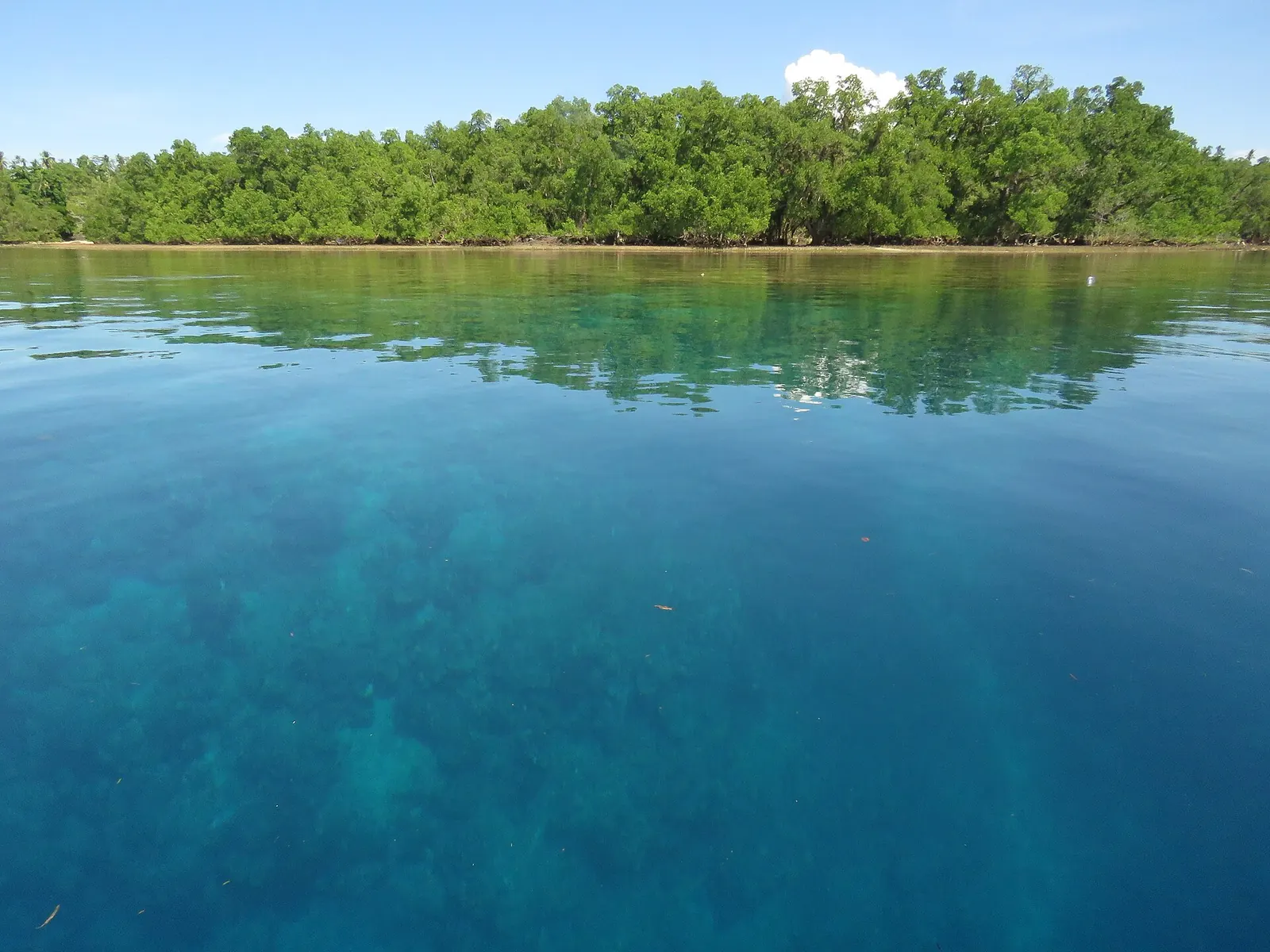
Bunaken for non-divers works best if the reef is the reason you are going. Snorkelling, beachcombing, walks to eastern and northern coves and boat trips are all reported, but beaches can vanish at high tide, paths are rough, and island tourism has long been built around divers. Go for the water. Look elsewhere for a long-beach holiday.
How good is Bunaken for non-divers?
It can work well, with limits you should accept in advance. Wikivoyage reports a growing number of casual snorkellers and non-divers, on an island whose tourism was long geared to divers. That history still shapes a stay. Boat departures, meal times and much of the conversation may revolve around dive schedules, and the things to do on land are modest.
The main case for going is the reef flats on top of the walls. A snorkeller sees the flat and upper edge, not the wall below. Scuba Guide credits those flats for making Bunaken one of Indonesia's better snorkelling parks. That is a publisher's opinion, but the snorkelling guide shows why the shallow reef tops attract attention.
The trip is a poorer fit if you want a long swimming beach, nightlife, or several days of varied sightseeing without getting in the sea. Ask yourself one question: would you happily spend most mornings with a mask on? If the answer is yes, Bunaken is worth it. If it is no, a day trip from Manado may be the better plan.
| Activity | What is reported | Source | Check first |
|---|---|---|---|
| Snorkelling | Reefs around the islands rise as shallow as about 3 m | Siladen Resort | Current at that site on that day |
| Beachcombing | Listed as an island activity | Wikivoyage | Tide; the beach may disappear at high water |
| Hiking | Walks to eastern and northern coves | Wikivoyage | Trails are poorly marked; many paths fail after rain |
| Kayaking | Suggested as the safest way to reach snorkel spots | Wikivoyage | Whether your stay has kayaks; currents |
| Dolphin and whale watching | Listed as an activity | Wikivoyage | No odds or season are published |
| Fishing | Outside park boundaries only | Wikivoyage | Where the boundary is, with the skipper |
| Crafts and souvenirs | Visitors Centre on Liang Beach | Wikivoyage | Opening times |
What can you do on land?
Walking is the main option, and you should expect it to be rough. UNESCO's Tentative List text describes a flat plateau at about 50 m across the west and centre of the island, with the highest point at 71 m. Wikivoyage lists hiking to eastern and northern coves, and notes that trails are poorly marked. It also says pathways connect settlements, many are impassable after rain, and that ojeks, or motorbike taxis, serve the island.
In practice, ask your hosts about the route before setting off, and leave it for another day if it has just rained. Carry water too, and read our where to stay guide for how the island is supplied. A guided walk, if your stay can arrange one, removes the problem of the unmarked paths.
Beachcombing is also on Wikivoyage's list, and time on the sand depends on the tide. Liang Beach is where Wikivoyage places a Visitors Centre selling handicrafts and souvenirs.
The park portal's facility list is the only official pointer to structured sights: a mangrove information centre and trail, a watchtower, and the Tawara coral nursery. Ask your host where they are before you set out.
What about snorkeling and boat trips?
Siladen Resort claims that all reefs around the park's islands work for snorkelling, rising to about 3 m. It assigns one guide to four snorkellers, matching its divers' ratio. Both are one resort's statements about its own programme, but a guide is worth asking for wherever you stay. Wikivoyage's advice on currents, which can shift fast, is to wear fins and keep a reference point. Its mention of a kayak as the safest way out shows that paddling is reported, mostly as a way to get to the reef.
Wikivoyage lists dolphin and whale watching among boat activities, and it says fishing belongs outside park boundaries. The sources on this page give no sighting rate or best month for dolphins or whales, so treat any such outing as a boat trip with a chance of a sighting. One agent listing on GetYourGuide combines dolphin watching with Bunaken snorkelling or diving. The price table on this page shows its advertised figure, and the listing does not say whether that is per person or per group, so ask.
How do dolphin trips from Bunaken Island work?
The fullest accounts come from travel blogs, and none gives a sighting rate. Travelnania says its boat left Bunaken Island around 6 to 7 am and searched for an hour before dolphins appeared. The Slow Road also left at dawn, in 2016, and saw fishermen's outrigger canoes working the same water. Remote + Afloat says a resort can arrange the outing, with a migrating pilot whale possible if you are lucky. ZuBlu, a dive travel agency, calls dolphins, pilot whales and sperm whales chance encounters.
Travelnania combined the dolphin trip with Nain, Siladen and the mangroves. Ask the boat owner about the departure time, how long the crew will search, and what you pay if nothing appears.
Where should a mixed couple stay?
This is the decision that most affects a couple's trip, and it comes down to who pays with their time. On the island, the diver is close to the walls and the non-diver has a small place to fill the day. In Manado the arrangement reverses. Sulawesi.com, a publisher that sells tours too, favours mainland resorts for comfort and for non-diving partners, at the cost of boat rides of 40 to 60 minutes to Bunaken sites. Our guide to where to stay compares the bases in full.
If you do choose an island base, ask these before you pay:
- Can a snorkeller ride on the dive boat, and at what extra cost, if any?
- Does the snorkeller get a guide, or are they left at the surface while divers go down?
- Is there snorkelling from the shore at low and high tide?
- Is the full-board rate lower for a guest who does not dive?
What about trips beyond the island?
A few days out add the variety that the island itself lacks. The park portal says Sulawesi black macaques and cuscus live on Manado Tua, and that Mantehage hosts deer. Those trips need a boat, and the northern islands take noticeably longer to reach.
The strongest land-based outing is on the mainland. Tangkoko Batuangus Nature Reserve lies 70 km from Manado and covers 8,718 ha. Wikipedia records at least 127 mammal, 233 bird and 104 reptile and amphibian species there, among them the spectral tarsier and crested macaque. Sulawesi.com suggests a Tangkoko visit on the way back, which also gives a diver the non-dive day it recommends. Fit that into your total with our page on how many days to spend.
Is Bunaken good for families and children?
The judgement here is yours, and these are the published facts that bear on it. Neptune Liveaboards puts the reef flats at one to three metres. That figure says nothing about suitability for children, and no source we cite rates it. Wikivoyage says currents on the same reef can change quickly. The Indonesia Guide describes island medical care as limited, and the paths are as described above. For health questions, ask your own doctor, and read the safety page first.
What else do non-divers ask about Bunaken?
What can non divers do in Bunaken?
Beachcombing, walks to the eastern and northern coves, dolphin and whale watching, and fishing outside park boundaries are all on Wikivoyage's list. Snorkelling is the main draw, and the park portal lists a mangrove trail and information centre. Day trips to Manado Tua or Tangkoko add variety.
Is Bunaken worth it if you do not dive?
It is worth it if you will happily snorkel most days and accept simple land activities. It is a weaker choice if you want long beaches or varied sightseeing, because the sand comes and goes with the tide and the paths are rough.
Is Bunaken suitable for children?
No source we cite rates it for children. Currents can shift quickly, island medical facilities are limited, and paths are rough. Parents should weigh those points and ask the resort what supervision it offers.
Can you see dolphins in Bunaken?
Wikivoyage lists dolphin watching as an activity and an agent listing sells a dolphin trip. Travelnania reports a 6 to 7 am boat that searched for an hour before dolphins appeared, and The Slow Road describes a dawn boat. Neither gives a sighting rate. A sighting cannot be counted on, so treat the outing as a boat trip with a chance of dolphins.
Can you kayak around Bunaken Island?
Wikivoyage mentions kayaks as the safest way out to snorkelling spots, so paddling is reported. Ask your stay whether it has one and what route it suggests, and check the current before you go.
Which prices are published?
Official fees and public third-party listings, each with its source and date. These are not our prices or offers. Fees and fares change, and sources sometimes disagree, so check the source before you rely on a figure.
| Item | Published price | Source | Checked |
|---|---|---|---|
| Dolphin watching and Bunaken snorkel or dive tour (agent listing; per person or group not stated) | From US$112 | getyourguide.com | Nov 2026 |
Which sources support this page?
- Wikivoyage: Bunaken
- Scuba Guide: Bunaken
- UNESCO World Heritage Tentative List: Bunaken National Park
- Park booking portal: Bunaken National Park
- Siladen Resort: FAQ
- Siladen Resort: snorkelling
- GetYourGuide: Bunaken island tours
- Sulawesi.com: Bunaken marine park diving
- Wikipedia: Tangkoko Batuangus Nature Reserve
- Neptune Liveaboards: Bunaken diving
- The Indonesia Guide: Bunaken diving
- Travelnania: things to do in Bunaken
- The Slow Road: Bunaken Life
- Remote + Afloat: Bunaken National Park travel guide
- ZuBlu: diving Bunaken National Park
How do I reach the desk?
Mixed groups can write to the desk on WhatsApp +62 811-3941-4563 or at bd@juaraholding.com. Say who dives, who snorkels, who does neither, and any ages or swimming limits that matter. The desk will answer what it can, and it cannot promise a boat seat or a sighting. Commitments come only in a written offer. The about page covers how the desk works and its commercial interest.
Send the desk your dates, group size, and dive level. The desk replies in writing.
Ask the desk on WhatsApp bd@juaraholding.com