On this page
- How is Bunaken protected?
- How did the co-management model begin?
- What is dated, and what cannot be said today?
- What threats does the reef face?
- What is being done about plastic?
- How can visitors help?
- What else do people ask about protecting Bunaken?
- Which sources support this page?
- How do I reach the desk?
By Bunaken Island Editorial Desk
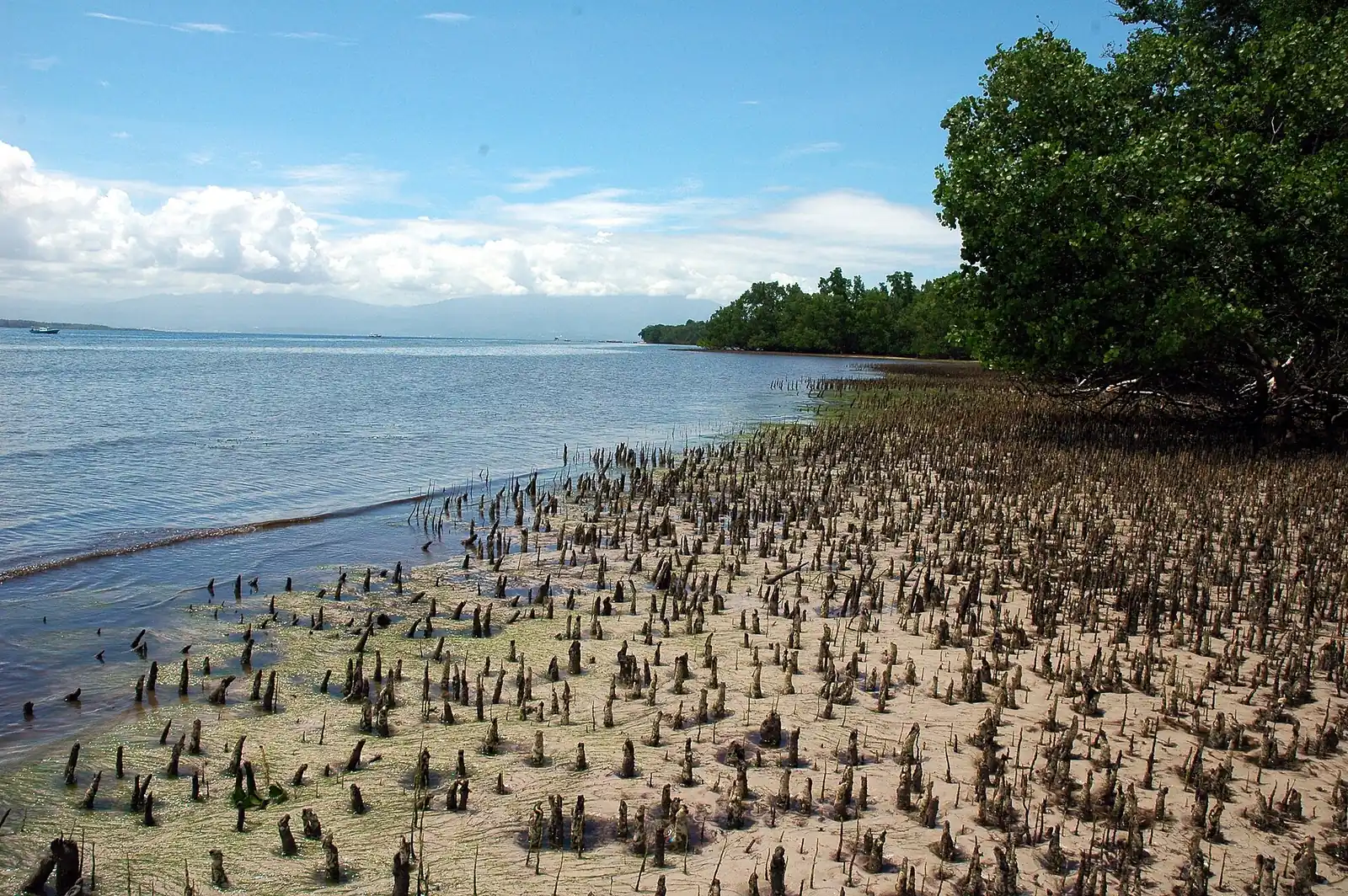
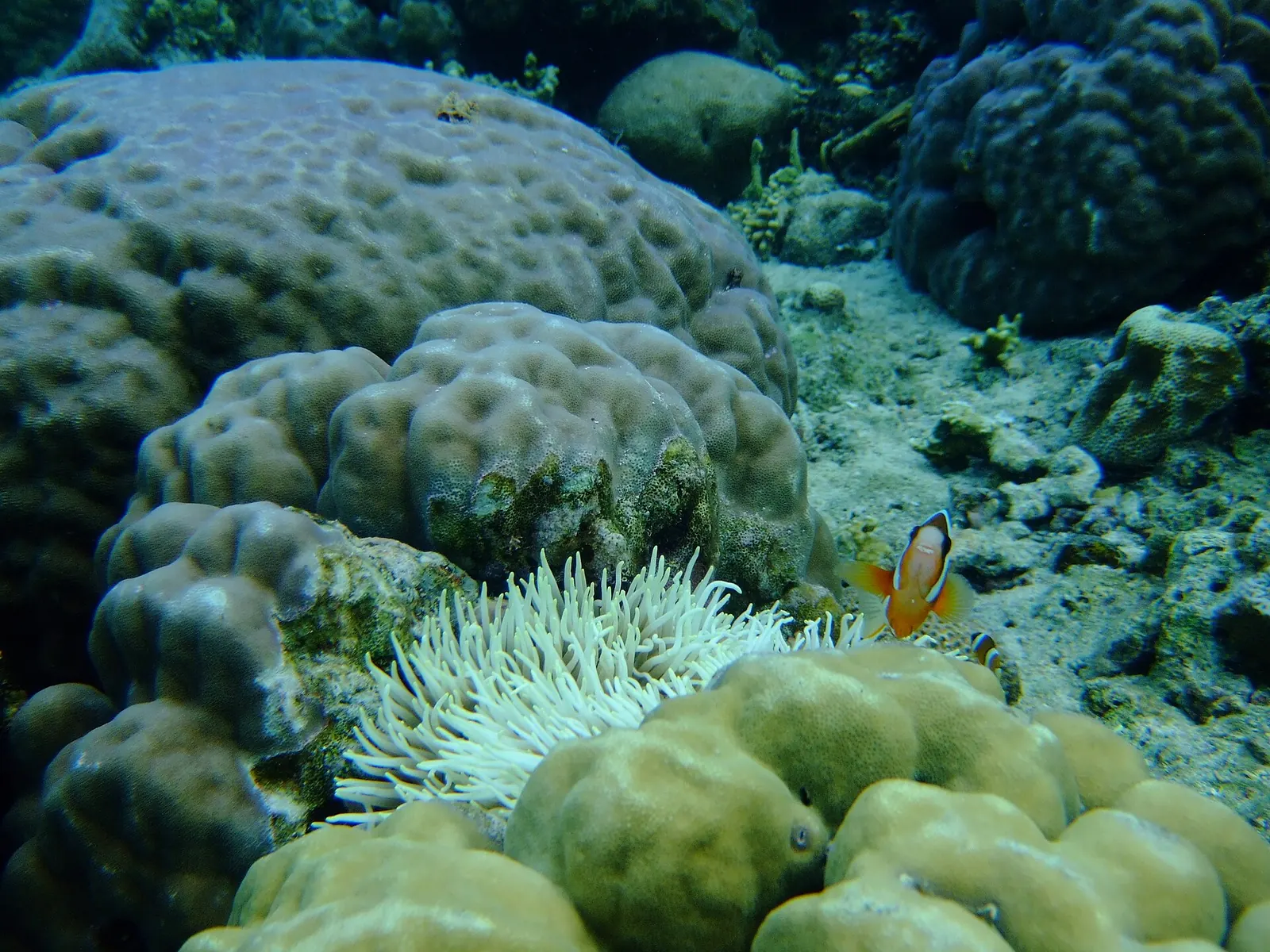
Bunaken conservation rests on national park status from 1991 and a co-management model of advisory board, user fee and joint patrols that the Equator Initiative calls a landmark. Much of that record is dated. The sources on this page cite no current survey of reef health, so treat any percentage with caution and any historic figure as history.
How is Bunaken protected?
Several layers overlap, and it helps to keep them apart:
- National park status. Bunaken was designated on 15 October 1991 by Forestry Minister decree 730/Kpts.-II/1991, at 89,065 ha, according to Indonesia's conservation directorate. Area figures have shifted since, and our Bunaken National Park page tracks them.
- A management plan. The directorate says the current plan runs from 2019 to 2028.
- Priority species. Its list names green and hawksbill turtles and the dugong among the park's priorities.
- A biosphere reserve. UNESCO's Bunaken Tangkoko Minahasa Biosphere Reserve spans 746,405.92 ha, with the national park in its core area.
- Visitor rules. Sulawesi.com, a publisher that also sells tours, treats anchoring outside buoy zones, fishing and plastic as formal offences, in a summary we would not read as the legal text.
People are part of this picture in a way they are not at some parks. Wikipedia counts 22 villages inside the park and about 35,000 people, while Erdmann and colleagues give over 30,000. The directorate separately counts 25 villages and urban wards as the park's buffer zone communities. The 22 and the 25 count different things, villages inside the park and communities in its buffer zone, so do not treat one as a correction of the other.
How did the co-management model begin?
The story starts with a plan that failed. According to the directorate, a 1980s proposal to relocate residents met strong local opposition and was not carried out. Whatever came next had to work with the people living there.
The push from business came later. Inside Indonesia reports that seven tourism firms formed the North Sulawesi Watersports Association in mid-1998 over anchor damage, and ran a stop-anchoring campaign. Enforcement followed: the same report, written about 2001, says seventeen cyanide and bomb fishers were jailed after three cases from June 2000.
The institutional piece was the advisory board. Erdmann and colleagues describe a 15-seat board and joint patrols with villagers, along with a decentralised entrance fee system with 80% of revenue earmarked for park management programmes. The Equator Initiative calls the board a landmark case of local co-management, with a user fee funding joint patrols and community projects.
| When | What happened | Source | Read it as |
|---|---|---|---|
| 1980s | Relocation plan opposed and dropped | KSDAE | Settled history |
| 15 Oct 1991 | National park designated by decree | KSDAE | Settled history |
| Mid-1998 | Seven firms form the watersports association | Inside Indonesia | Press report, about 2001 |
| From June 2000 | Seventeen fishers jailed across three cases | Inside Indonesia | Historic; says nothing of today |
| About 2002 | Fee system with 80% earmarked for park programmes | Erdmann and colleagues | Historic; do not assume current |
| 2019 to 2028 | Current management plan period | KSDAE | Current |
| 2024 | Tariff regulation issued; river barriers set up in Manado | Government Regulation 36 of 2024; Wikipedia | Recent |
What is dated, and what cannot be said today?
These limits matter if you want to know what your visit supports. The strongest evidence for the model describes the years around 2000. It does not show that the board, the patrols or the share of fees work in the same way now.
Fees are the clearest case. The 80% figure belongs to a paper from about 2002. Park tariffs today come from Government Regulation 36 of 2024 on non-tax state revenue at the environment and forestry ministry. That is a national framework, so ask the park office how much of a ticket now returns to Bunaken, along with patrol frequency and the board's present make-up. Our Bunaken entrance fee page explains what you pay and to whom.
What threats does the reef face?
Wikipedia says the park has suffered degradation from coral mining, anchor damage, blast and cyanide fishing, diving, and trash. Note that diving is on that list: the activity much of Bunaken's tourism is built around is also one of the pressures on the reef. The record on blast fishing stops at arrests from the early 2000s, so it does not show whether the practice has ended.
On bleaching, Sulawesi.com says some shallow reefs lost coral while deep walls remain largely intact. It cites no survey, so take it as a reasonable-sounding field impression from a company with tours to sell. Shallow reefs are also where snorkellers spend their time, so this claim, if accurate, matters more to them than to divers.
Wildlife takes direct hits as well. The directorate's park gallery carries an item on a green turtle caught in fishing nets at Tatapaan. That is a headline, not a statistic, and it tells you only that such things happen in the area. If you want to know what lives here and is at stake, read our guide to Bunaken marine life.
What is being done about plastic?
The one specific recent action on record is upstream. Wikipedia says that in 2024 the No-Trash Triangle Initiative set up river barriers in Manado to reduce plastic reaching the park. The logic is sound, since it tackles waste before it reaches open water, but no result is reported.
You will also read in travel writing that Bunaken's trash arrives in pulses during particular months. We do not repeat those month-by-month claims, because none has a source we would cite. Expect that any beach or reef may carry litter at any time, and that a clean morning says little about the season.
How can visitors help?
None of this needs a volunteer programme. A few habits and questions do the work:
- Pay the park fee through its proper channel and keep whatever proof you are given, so the money enters the system it is meant to enter.
- Ask your boat crew whether they tie to a mooring buoy. Anchoring was the original complaint that brought operators together in 1998, and Sulawesi.com lists anchoring outside buoy zones as an offence.
- Do not fish inside the park. As our own advice, skip shell or coral souvenirs. We cite no rule on this.
- Refuse what plastic you can, and carry out what you bring in.
- Keep your hands and fins off the reef, and give turtles room.
- See the land side too. The park booking portal lists a mangrove information centre, a mangrove trail, a watchtower and the Tawara coral nursery. Check that they are open before you make a special trip.
What else do people ask about protecting Bunaken?
Is the Bunaken reef healthy?
We can give you no current percentage, because the sources on this page include no recent survey. Sulawesi.com's view is that some shallow reefs lost coral to bleaching while deep walls remain largely intact, which is an uncited impression, not a measurement.
Who protects the Bunaken reef?
Formally, the national park system under Indonesia's forestry authorities, with a 2019 to 2028 management plan. Historic accounts also describe an advisory board and joint patrols with villagers, so ask the park office about their present strength.
How is Bunaken National Park protected?
By a 1991 ministerial decree, a management plan, a place in the core area of a UNESCO biosphere reserve, and rules on anchoring, fishing and plastic as summarised by Sulawesi.com. Check the current rules with the park or your operator.
What threats face Bunaken coral reefs?
Wikipedia lists coral mining, anchor damage, blast and cyanide fishing, diving and trash. Sulawesi.com adds bleaching on some shallow reefs. Our sources do not measure how severe each one is now.
Does my entrance fee fund conservation?
Possibly, but the well-known 80% earmark comes from a paper of about 2002 and should not be assumed today. Current tariffs sit under a national regulation on state revenue, so ask the park office how much comes back.
Which sources support this page?
- Indonesian conservation directorate (KSDAE): park profile
- UNESCO: Bunaken Tangkoko Minahasa Biosphere Reserve
- Sulawesi.com: Bunaken marine park diving (publisher that sells tours)
- Wikipedia: Bunaken National Park
- Erdmann and colleagues: the Bunaken co-management paper, about 2002
- Inside Indonesia: Saving Bunaken (press, about 2001)
- Equator Initiative: Bunaken National Park Management Advisory Board
- Government Regulation 36 of 2024 (official text listing)
- Park booking portal: Bunaken National Park (official)
How do I reach the desk?
Questions about conservation on Bunaken, or a source we should read, can go to WhatsApp +62 811-3941-4563 or bd@juaraholding.com. The contact page explains how to flag a correction.
Send the desk your dates, group size, and dive level. The desk replies in writing.
Ask the desk on WhatsApp bd@juaraholding.com