On this page
- How many Bunaken dive sites are there?
- How do the main sites compare?
- Which sites sit on the south side?
- What is on the west and north?
- How does the east wall differ?
- Where do sources disagree on location?
- What lies beyond Bunaken Island itself?
- What else do divers ask about Bunaken's sites?
- Which sources support this page?
- How do I reach the desk?
By Bunaken Island Editorial Desk
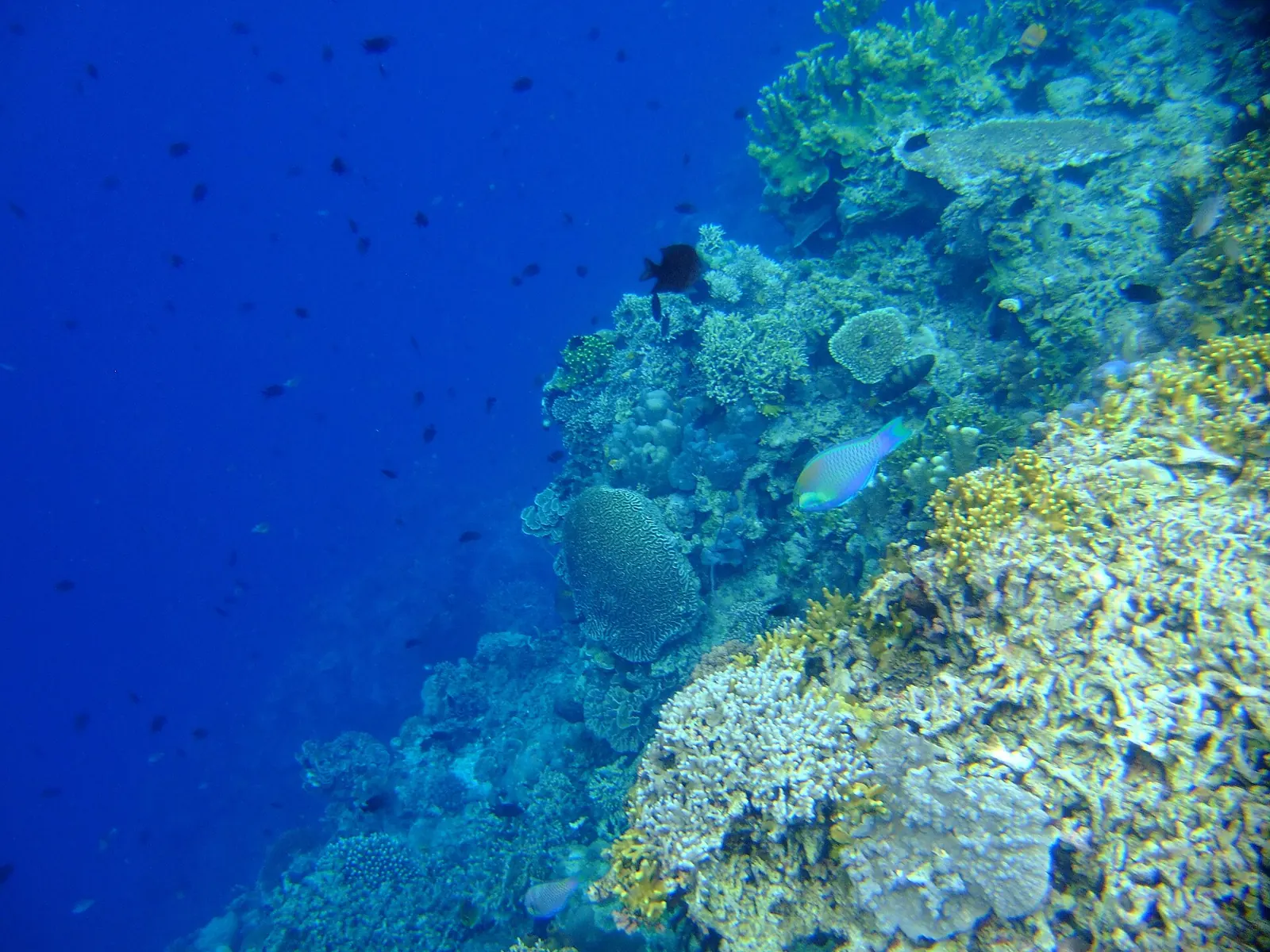
As Siladen Resort and Dive The World describe them, Bunaken dive sites follow a simple pattern: Lekuan and gentler reefs on the south side, Mandolin on the western wall, Sachiko's Point at a disputed north-east corner, and one long wall on the east. Published counts here run from about 20 on the tourism ministry's site to more than 53 on the park portal, partly because each draws different boundaries.
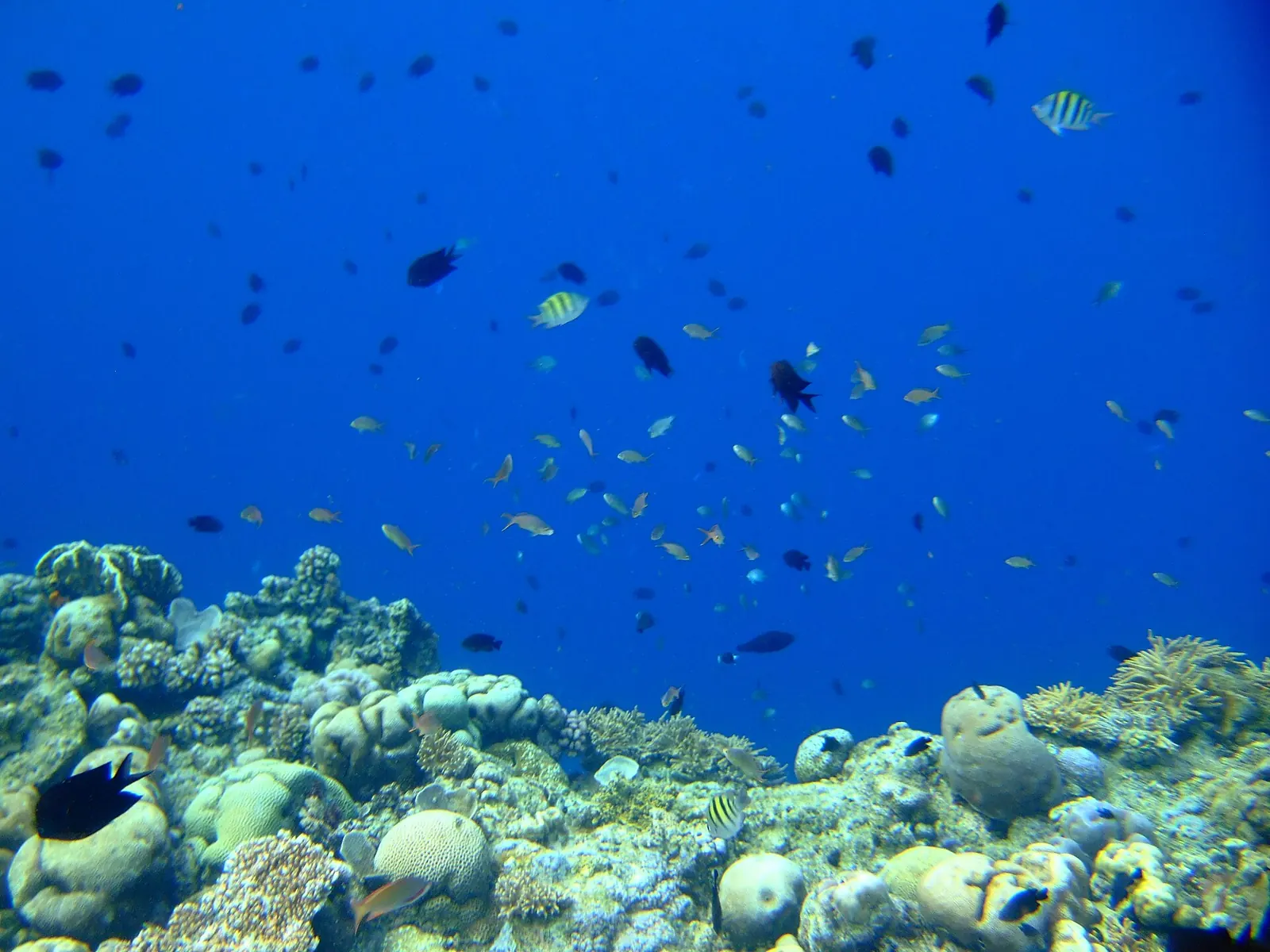
How many Bunaken dive sites are there?
That depends on who is counting and what they include. Five published counts show the spread:
- 20 around the island alone: the Bunaken National Park office, counting spots around Bunaken Island itself.
- About 20: Indonesia's tourism ministry site.
- About two dozen across the five islands: Dive The World, an operator or agent.
- 40: Underwater Atlas, a dive publisher.
- More than 53: the park portal, counting Bunaken, Manado Tua, Mantehage, Siladen and the Tanjung Pisok and Arakan coasts.
Two reasons seem likely, on our reading. One is geography. The portal reaches beyond the islands to mainland coasts, while Dive The World confines itself to the five islands. The other is how a wall gets divided. Siladen Resort, an operator inside the park, splits Lekuan into four named stretches and the east face into another four. A source that treats each as one wall arrives at a much lower total. So a higher number does not mean more reef, and it should not sway your choice of operator.
Siladen Resort makes the distinction that matters for trip planning: island sites are walls, while along the mainland coast the terrain changes to dark sandy slopes, and a wreck sits in Manado Bay. Our Bunaken diving guide covers levels, conditions and cost, so this page stays with the sites.
How do the main sites compare?
This directory shows who says what. Most character notes come from a single operator or publisher, so treat each as that source's description. The table is not a ranking, and conditions on a given day can differ.
| Site | Location given | Character as described | Source |
|---|---|---|---|
| Lekuan I, II, Pygmy, III | South side, facing Manado (Dive The World) | Wall of several kilometres (Siladen); crevices, sea fans, giant sponges (ministry) | Siladen Resort, Dive The World, tourism ministry |
| Alung Banua | South side | Recommended when current is strong elsewhere | Siladen Resort |
| Muka Kampung | South side | Gentler sloping reef, for beginners and snorkellers | The Indonesia Guide |
| Fukui | South-western point | Large, gentle reef; resident batfish school; sandy plateau near 30 m | Siladen Resort |
| Mandolin | Western wall | Midnight snappers, sponges, black coral (Siladen); whip corals at 20 to 45 m (Dive The World) | Siladen Resort, Dive The World |
| Raymond Point | Western wall | Reef top works for snorkelling as well as diving | Siladen Resort |
| Sachiko's Point | Disputed: see below | Location conflict between sources | Siladen Resort, Neptune Liveaboards, Sulawesi.com |
| Bunaken Timur I, Pangalisang, Bunaken Timur II, Cha-Cha | East face | One long wall, usually mild currents | Siladen Resort |
| Celah Celah | Not stated | Named after the word for crack, for the fissures in its wall | Dive The World |
Which sites sit on the south side?
The south side holds the most familiar names, and it faces Manado. Lekuan is the headline. Dive The World says it suits all levels by day or night, and the tourism ministry site writes of crevices, sea fans and giant sponges along a long wall, with turtles and Napoleon wrasse passing by. The ministry names Lekuan I to III, while Siladen Resort adds a Pygmy section, a small example of how names and counts drift. Our Lekuan Wall guide has more on this one stretch. Wikipedia adds that more than 33 butterflyfish species may be spotted around Lekuan or Fukui, which is a record of what has been seen and not a forecast.
Other south-side names are worth asking about beyond Lekuan. Alung Banua is the one Siladen Resort recommends for when current is strong elsewhere. The Indonesia Guide calls Muka Kampung a gentler sloping reef on the south side, good for beginners and snorkellers, with no figures on current, so raise conditions with your operator. Fukui, on the south-western point, is described by Siladen Resort as big and gentle, home to a batfish school, with a sandy plateau at around 30 m. At 30 m, that plateau may be deeper than your training covers.
What is on the west and north?
The western wall is where sources start pointing to more experienced divers. Siladen Resort places Mandolin here, with midnight snappers, sponges and black coral, and Dive The World adds whip corals between 20 and 45 m. The Indonesia Guide groups Mandolin with the outer walls that it says suit Advanced divers, in contrast with Lekuan. Raymond Point, also on this wall, is described by Siladen Resort as having a reef top that works as well for snorkelling as for diving, so a mixed group may be able to share a boat there. Ask whether conditions allow it on the day.
Published detail thins out towards the north. The one northern name with a firm description is Sachiko's Point, and even that is contested, as the section below explains. More names circulate on dive schedules and travel pages, and those are for an operator to explain. If a boat crew offers a site you cannot find on any list, ask what depth and current to expect.
How does the east wall differ?
The east wall is less a set of separate sites than one continuous face. Siladen Resort treats the east face as a single wall divided into four named stretches, Bunaken Timur I, Pangalisang, Bunaken Timur II and Cha-Cha, and it says currents there are usually mild. No source we cite rates this wall for a first wall dive, so ask the operator. The word "usually" carries weight, since this is one operator's general statement. Siladen Resort also lists Bunaken Timur among the sites with many resident turtles, which is another claim to test against the operator's own experience.
Where do sources disagree on location?
The clearest conflict is Sachiko's Point. Siladen Resort places it on Bunaken's north-eastern point, and Neptune Liveaboards agrees. Sulawesi.com, a travel publisher that also sells tours, places it on Manado Tua. Those are different islands. Two sources against one does not settle it, because sources can repeat one another. If this site matters to you, ask your operator to mark it on a map.
Tanjung Kopi is the other one. Sources disagree about which island it belongs to, so we do not give it a location or a place in the table. If you see it on a dive schedule, the operator's own description is your best guide. Treat any site list as a starting point, and let the operator's written plan decide.
What lies beyond Bunaken Island itself?
The park's other islands have dive sites of their own. Our page on Manado Tua Island explains the volcano and how far it is from Manado, and the portal includes it among its dive spots. The Indonesia Guide says Siladen has its own wall system and less traffic than the main Bunaken sites. Underwater Atlas names Tanjung Pisok and Bati Hitam among cleaning stations frequented by hawksbill turtles, though a mention like that cannot promise an encounter. Mantehage is on the portal's list too, so ask an operator what it actually dives there.
What else do divers ask about Bunaken's sites?
Where are the best dive sites in Bunaken?
The sources on this page offer no neutral ranking, so best depends on your level and the day's current. The Indonesia Guide points Open Water divers to Lekuan and Siladen walls, and Advanced divers to Mandolin and the outer walls. Treat any top-ten list as one writer's opinion, and check who wrote it.
How deep are the dive sites around Bunaken?
Figures vary by site. Dive The World places Mandolin's whip corals at 20 to 45 m, and Siladen Resort puts Fukui's sandy plateau near 30 m. The walls continue far below any recreational limit, so your training and the operator's rules set your depth, not the reef.
Which Bunaken dive sites suit beginners?
The Indonesia Guide names Muka Kampung as a gentler reef good for beginners and snorkellers, and Dive The World says Lekuan suits all levels. Siladen Resort describes the east face as usually having mild currents. It does not rate the wall for beginners. An operator should still choose on the day, based on conditions and your recent experience.
Are there strong currents at Bunaken dive sites?
At some sites, yes, and they can change. Siladen Resort says currents can be strong on Lekuan's corners while sheltered stretches are usually possible, and it names Alung Banua as a fallback when current is strong elsewhere. Ask how the plan changes if conditions turn.
Can you night dive at Bunaken?
Dive The World says Lekuan can be dived by day or night, and that is a single source. Ask each operator whether it runs night dives, on which sites, and what experience it expects from you before you rely on one.
Which sources support this page?
- Indonesia's tourism ministry site: Manado and Bunaken
- Dive The World: Manado and Bunaken sites (operator or agent)
- Underwater Atlas: Bunaken
- Bunaken National Park booking portal
- Siladen Resort: dive sites map (operator)
- Wikipedia: Bunaken
- The Indonesia Guide: Bunaken diving
- Neptune Liveaboards: Bunaken diving (operator)
- Sulawesi.com: Bunaken marine park diving (publisher that also sells tours)
- Bunaken National Park office: Pulau Bunaken
How do I reach the desk?
If you want to know what to ask about sites at your level, send your certification and logged dives by WhatsApp +62 811-3941-4563 or email bd@juaraholding.com. We are not a dive centre, and a request can lead to a paid booking, which gives us a commercial interest. No site, boat or date is promised on this page. Any offer comes in writing, with the price, any fee and the company you would contract with.
Send the desk your dates, group size, and dive level. The desk replies in writing.
Ask the desk on WhatsApp bd@juaraholding.com